

Limelight hydrangea (Hydrangea paniculata Limelight) is a popular choice among gardeners for its stunning lime-green blooms and its ability to add a vibrant touch to any landscape. Known for its large, cone-shaped flower clusters that start green and gradually turn white, pink, and burgundy, this variety is versatile and easy to care for, making it ideal for both beginners and seasoned gardeners. In this guide, we’ll explore everything you need to know about growing and caring for Limelight hydrangea, as well as its compact variety, the Little Lime hydrangea.
What is Limelight Hydrangea?
The Limelight hydrangea is a cultivar of the species Hydrangea paniculata, also known as the panicle hydrangea. This variety is renowned for its unique blooms, which start as a refreshing lime green and change to creamy white, then blush pink, and finally a deep burgundy as the season progresses. This color transition provides a dynamic display in the garden from mid-summer to fall. The flowers are large, often reaching up to 12 inches in length, and sit atop sturdy stems that prevent flopping, even after heavy rain.
Benefits of Growing Limelight Hydrangea
- Long Bloom Time: One of the key benefits of the Limelight hydrangea is its extended blooming period, which typically lasts from July to September. The changing colors of the blooms offer a continually evolving visual interest in the garden.
- Versatility: Limelight hydrangea can be grown as a shrub or pruned into a small limelight hydrangea tree, making it adaptable to different landscape designs. It can be used as a focal point in a garden bed, a hedge, or even as a stunning container plant.
- Hardiness: This hydrangea variety is incredibly hardy, thriving in USDA zones 3 through 9. It can tolerate a wide range of soil types and is relatively drought-resistant once established.
Planting and Care Tips for Limelight Hydrangea
Planting Location: Choose a location that receives at least 4 to 6 hours of sunlight per day. Limelight hydrangea does well in full sun to partial shade. The more sun it gets, the more vibrant the blooms will be. However, in hotter climates, some afternoon shade is beneficial to prevent leaf scorch.
Soil Requirements: Limelight hydrangea prefers well-drained, fertile soil rich in organic matter. Although it can tolerate different soil types, adding compost or mulch can help retain moisture and provide essential nutrients.
Watering: Hydrangeas need regular watering, especially during dry periods. Keep the soil consistently moist but not waterlogged. A good rule of thumb is to water deeply once a week, increasing the frequency during hot, dry spells.
Fertilization: To keep your limelight hydrangea thriving, apply a balanced, slow-release fertilizer in early spring. An additional dose of fertilizer after the first blooming can promote a second flush of flowers.
Pruning: Prune limelight hydrangeas in late winter or early spring before new growth begins. Remove any dead or weak branches to encourage healthy growth. For a limelight hydrangea tree, regular pruning is essential to maintain its shape and promote a strong central leader.
Little Lime Hydrangea: A Compact Version
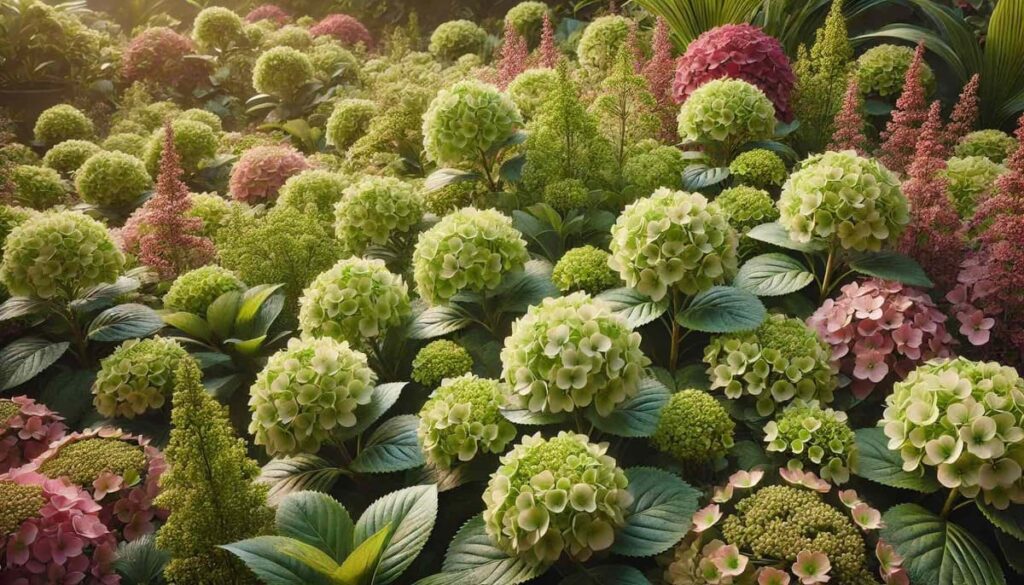
For those with limited space, the Little Lime hydrangea is a smaller version of the Limelight hydrangea. Reaching about 3 to 5 feet in height and width, this compact variety offers the same lime-green blooms that transition to pink and burgundy. The Little Lime hydrangea is perfect for small gardens, patio containers, or mixed borders. It is equally hardy and requires the same care as its larger counterpart, the limelight hydrangea.
Landscaping with Limelight Hydrangea
Limelight hydrangeas can be used in various landscape designs. Here are some creative ideas:
- Hedges and Screens: Plant limelight hydrangeas in a row to create a flowering hedge or privacy screen. Their dense growth and large blooms provide an excellent natural barrier.
- Focal Points: Whether in shrub form or pruned as a limelight tree, this hydrangea can serve as a stunning focal point in your garden. Place it at the center of a garden bed or along a pathway for maximum impact.
- Mixed Borders: Combine Limelight hydrangea with other perennials like hostas, daylilies, and coneflowers to create a colorful and textured mixed border. The lime-green and pink hues of the limelight hydrangea complement various color schemes.
- Container Gardens: The Little Lime hydrangea is an excellent choice for container gardening. Its compact size makes it ideal for growing in pots, providing a pop of color on patios, decks, or balconies.
Conclusion
The limelight hydrangea and its compact counterpart, the Little Lime hydrangea, offer versatility, beauty, and ease of care, making them perfect additions to any garden. Whether you choose the classic lime hydrangea bush or decide to train it as a limelight tree, you’re sure to enjoy the vibrant colors and long-lasting blooms these plants provide. With proper care and placement, limelight hydrangeas can brighten your landscape and bring joy season after season.