
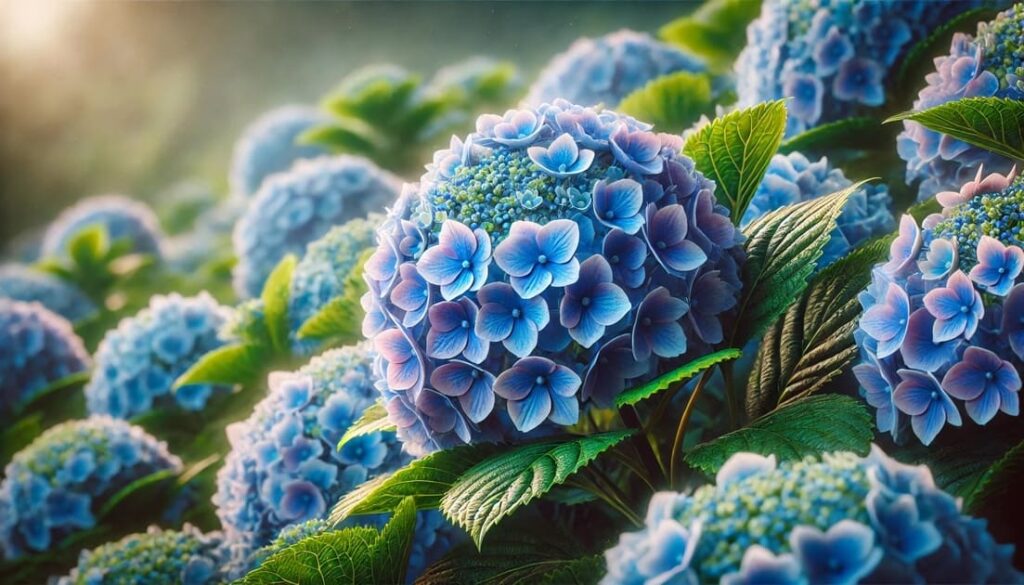
Blue hydrangeas are beloved for their stunning, vibrant blooms that can add a pop of color to any garden or landscape. From the classic “Nikko Blue Hydrangea” to the versatile “Let’s Dance Hydrangea,” these captivating flowers come in various shades and varieties, making them a popular choice for gardeners everywhere. In this article, we will explore different types of blue hydrangeas, tips for planting and caring for them, and how to use them to create eye-catching displays.
What Makes Blue Hydrangea Special?
Blue hydrangeas (Hydrangea macrophylla) are known for their large, globe-like flower clusters and lush green foliage. They are unique because their color can range from a soft light blue to a deep, intense blue, depending on the soil’s pH level. Acidic soil with a pH of 5.5 or lower typically produces the rich blue hues that gardeners love.
These flowers are not just stunning; they are also versatile. Blue hydrangeas can be grown as standalone bushes, added to a mixed border, or cultivated in planters to create a focal point in smaller spaces.
Popular Varieties of Blue Hydrangea
There are several popular varieties of blue hydrangeas, each with unique characteristics. Here are some of the most sought-after types:
1. Nikko Blue Hydrangea
The “Nikko Blue Hydrangea” is a classic favorite among gardeners. It is renowned for its large, mophead blooms that can cover the entire bush, creating a breathtaking display. The “Nikko Blue” typically blooms from early summer through late fall, offering long-lasting color. This standard hydrangea variety thrives in USDA zones 6-9 and requires partial shade to full sun.
2. Let’s Dance Hydrangea
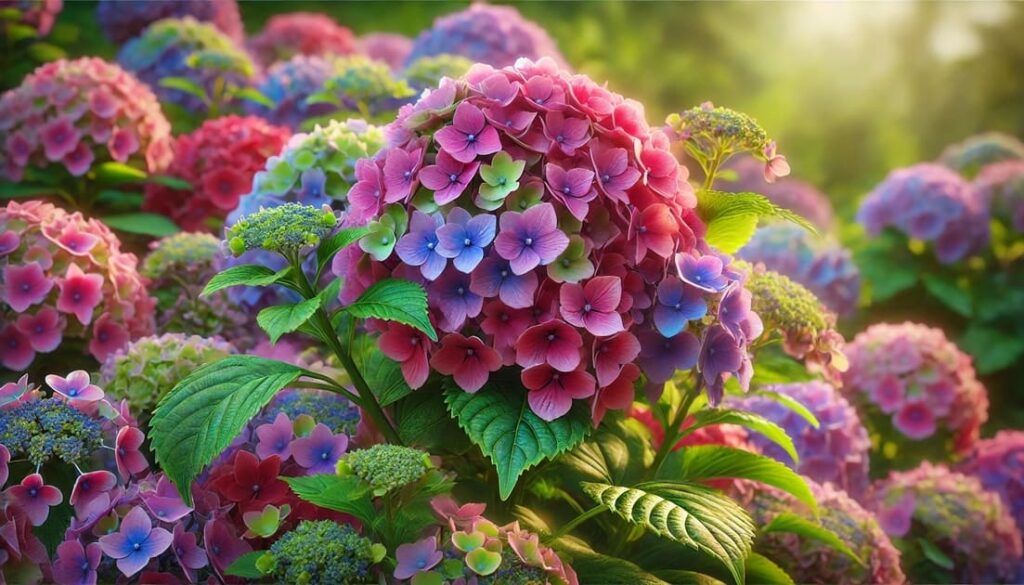
“Let’s Dance Hydrangea” is a popular reblooming variety that offers multiple rounds of flowers throughout the growing season. Known for its vibrant, clear blue blooms, this variety is perfect for gardeners looking for continuous color. The “Let’s Dance Hydrangea” is a compact type, making it ideal for smaller gardens, borders, and even as a hydrangea planter. This hydrangea is hardy in zones 5-9 and does well in partial shade.
3. Nantucket Blue Hydrangea
The “Nantucket Blue Hydrangea” is another exceptional variety known for its deep blue flowers and vigorous growth. Unlike the “Nikko Blue,” the “Nantucket Blue Hydrangea” blooms on both old and new wood, meaning it has a longer flowering period. This variety is also more tolerant of different soil types and is suitable for use as a blue hydrangea bush or in containers.
How to Grow and Care for Blue Hydrangea
Growing blue hydrangeas is relatively easy if you provide them with the right conditions. Here are some essential tips to help your blue hydrangea thrive:
1. Choosing the Right Location
Blue hydrangeas prefer partial shade. While they can tolerate some morning sun, too much direct sunlight, especially in the afternoon, can scorch their leaves and diminish the vibrancy of their blooms. If you plan to plant your hydrangea in a container or as a hydrangea planter, ensure it gets a mix of sun and shade.
2. Soil Requirements
To achieve the perfect blue color, soil acidity is key. For a light blue hydrangea, aim for a soil pH between 5.5 and 6.5. If you want a more intense blue, the pH should be lower. Adding garden sulfur or aluminum sulfate can help acidify the soil, while lime can increase alkalinity if needed.
3. Watering Needs
Hydrangeas need plenty of water, especially during hot, dry spells. Water deeply at least once a week to keep the soil consistently moist but not waterlogged. Mulching around the base of the plant can help retain moisture and keep the roots cool.
4. Fertilization
Hydrangeas benefit from regular feeding during the growing season. Use a balanced, slow-release fertilizer in the spring and follow up with a high-phosphorus fertilizer in mid-summer to promote blooming.
5. Pruning Tips
Different types of hydrangeas have different pruning requirements. For “Nikko Blue Hydrangea” and “Nantucket Blue Hydrangea,” prune after the first flush of blooms in late summer. The “Let’s Dance Hydrangea,” being a reblooming type, requires minimal pruning. Simply remove dead or damaged wood in early spring.
Designing with Blue Hydrangeas
Blue hydrangeas are incredibly versatile in garden design. Here are some creative ways to use them in your landscape:
- Hedge or Border: Create a natural border or hedge with a “Nikko Blue Hydrangea” for a stunning display along fences, walkways, or property lines.
- Container Gardening: Use “Let’s Dance Hydrangea” or “Nantucket Blue Hydrangea” in a hydrangea planter to add color to patios, decks, or balconies.
- Mixed Plantings: Combine blue hydrangeas with white, pink, or purple flowers to create a visually appealing, multi-colored garden bed.
- Accent Plants: Place blue hydrangea bushes in prominent spots in your garden to serve as eye-catching focal points.
Troubleshooting Common Issues
While blue hydrangeas are generally easy to care for, they can face some challenges. Here are a few common problems and solutions:
- Yellowing Leaves: Often caused by iron deficiency or improper soil pH. Test the soil and adjust accordingly.
- Wilting: Wilting can result from insufficient water or too much direct sunlight. Make sure to water deeply and provide some afternoon shade.
- Lack of Blooms: This could be due to improper pruning or insufficient nutrients. Prune at the right time and ensure the plant is adequately fertilized.
Blue hydrangeas, whether the “Nikko Blue Hydrangea,” “Let’s Dance Hydrangea,” or “Nantucket Blue Hydrangea,” can add a breathtaking touch to any garden. With proper care, attention to soil pH, and the right growing conditions, you can enjoy vibrant blue flowers year after year. Whether you prefer a light blue hydrangea or a deeper hue, these plants offer endless possibilities for creative landscaping and garden design.
By understanding the needs of your hydrangeas and choosing the right variety, you can create a garden that’s both beautiful and uniquely yours. Happy gardening!