

What is Hydrangea Paniculata?
Hydrangea Paniculata is a deciduous shrub native to Asia, particularly China and Japan. Known for its large, cone-shaped flower clusters called panicles, this hydrangea species blooms from mid-summer to late fall, providing long-lasting color in the garden. Unlike other hydrangeas, which have ball-shaped flower heads, Panicle Hydrangeas feature a unique, elongated shape that adds vertical interest to garden beds and landscapes.
Popular Varieties of Hydrangea Paniculata
There are several varieties of Hydrangea Paniculata, each with distinct characteristics that make them stand out in the garden. Here are some of the most popular types:
1. Limelight Hydrangea
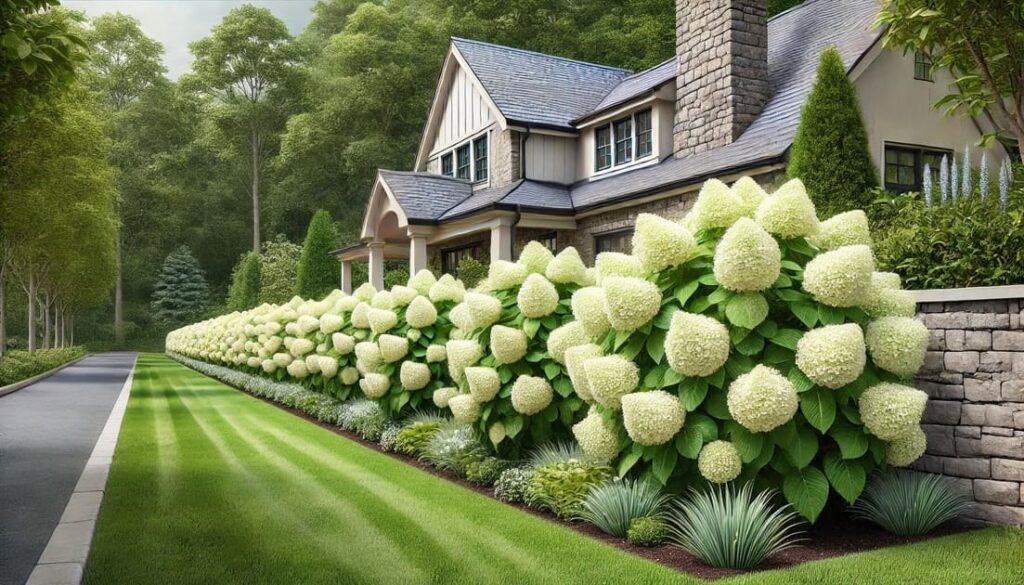
The Limelight Hydrangea is one of the most popular Hydrangea Paniculata varieties. Known for its bright lime-green blooms that turn creamy white and then blush pink as the season progresses, this hydrangea can reach heights of up to 8 feet. The Limelight Hydrangea Tree version is a stunning option for those looking to add height and drama to their garden. It offers the same gorgeous blooms on a small tree form, making it perfect for creating a focal point.
2. Little Lime Hydrangea
The Little Lime Hydrangea is a compact version of the Limelight Hydrangea. It grows to about 3 to 5 feet tall, making it ideal for smaller gardens, borders, or even container planting. Despite its smaller size, the Little Lime Hydrangea offers the same striking lime-green blooms that transition to pink in the fall, providing a beautiful and dynamic display throughout the growing season.
3. Strawberry Vanilla Hydrangea
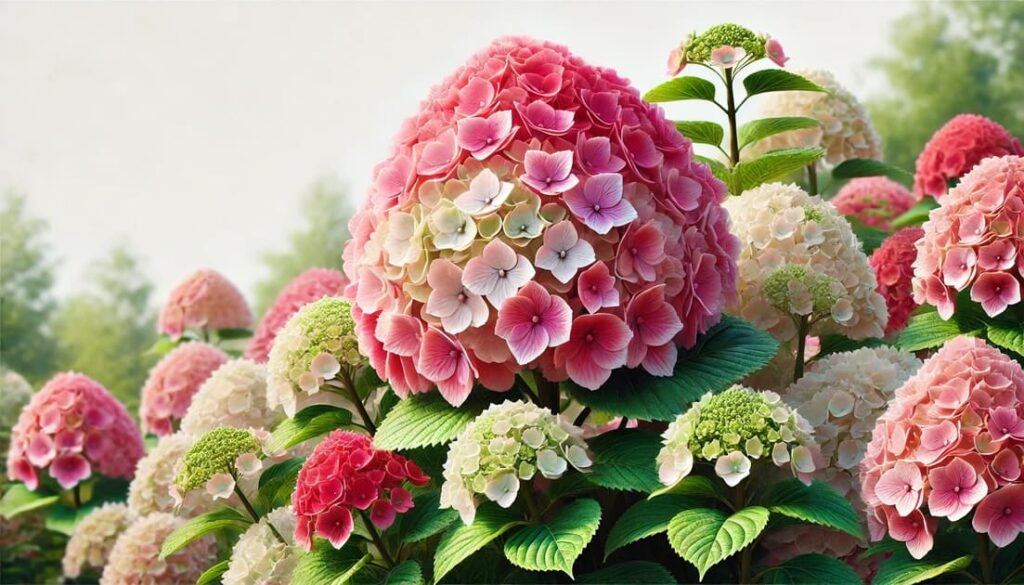
The Strawberry Vanilla Hydrangea is another striking variety of Hydrangea Paniculata. It features creamy white flower panicles that gradually turn to pink and deepen to a rich strawberry-red color as the summer progresses. This hydrangea can grow up to 6 to 7 feet tall, creating a stunning display of color that changes throughout the season. It is perfect for adding a touch of romance to any garden setting.
4. Bobo Hydrangea
The Bobo Hydrangea is a dwarf variety of Panicle Hydrangea that only grows 2 to 3 feet tall and wide, making it an excellent choice for small spaces or container gardens. Despite its compact size, the Bobo Hydrangea is known for its abundant white blooms that turn pink as they age, creating a beautiful, dense flower display. This variety blooms profusely from mid-summer to fall and is perfect for borders or small garden beds.
How to Plant Hydrangea Paniculata
Planting Hydrangea Paniculata is easy, and with the right location and care, these hydrangeas will thrive and produce beautiful blooms year after year.
Choosing the Right Location
Hydrangea Paniculata varieties prefer a location with full sun to partial shade. In cooler climates, these hydrangeas can handle full sun, but in hotter regions, some afternoon shade will help protect the blooms from scorching. The soil should be well-draining, as hydrangeas do not like wet, soggy roots.
Preparing the Soil
These hydrangeas do best in rich, moist, and well-drained soil. Before planting, amend the soil with compost or organic matter to improve its fertility and drainage. A slightly acidic to neutral pH (around 5.5 to 7.0) is ideal for Panicle Hydrangeas.
Planting Steps
- Dig a hole twice as wide and as deep as the root ball.
- Place the hydrangea in the hole, ensuring the top of the root ball is level with the ground.
- Backfill with soil and compost, pressing down gently to remove air pockets.
- Water thoroughly to help establish the plant.
Caring for Hydrangea Paniculata
Hydrangea Paniculata varieties are relatively low-maintenance, but proper care will ensure healthy growth and abundant blooms.
Watering
Water Panicle Hydrangeas deeply once or twice a week, depending on rainfall and climate. The soil should remain consistently moist but not waterlogged. Mulching around the base of the plant helps retain moisture and keeps the roots cool.
Pruning
Pruning is essential for maintaining shape and encouraging more blooms. Prune Hydrangea Paniculata in late winter or early spring before new growth begins. Remove any dead or damaged branches and cut back about one-third of the plant to encourage fuller blooms and stronger branches.
Fertilizing
A balanced, slow-release fertilizer applied in early spring can promote healthy growth and vibrant blooms. Be sure to follow the fertilizer package instructions to avoid over-fertilization, which can lead to lush foliage but fewer flowers.
Common Problems and Solutions
Like all plants, Hydrangea Paniculata can face some challenges. Here are a few common problems and their solutions:
- Floppy Branches: Large flower heads can cause branches to droop. Pruning properly and selecting varieties like the Limelight Hydrangea Tree can help maintain structure.
- Leaf Spot or Mildew: Good air circulation and proper watering practices can prevent fungal diseases like leaf spot and powdery mildew.
- Pest Issues: Insects like aphids and spider mites can occasionally attack hydrangeas. Use insecticidal soap or neem oil to manage these pests.
Designing with Hydrangea Paniculata
Hydrangea Paniculata varieties are versatile and can fit into many garden designs. Here are some creative ways to use them:
- Hedges and Borders: Use Limelight Hydrangeas or Little Lime Hydrangeas to create beautiful flowering hedges or borders.
- Mixed Flower Beds: Combine Strawberry Vanilla Hydrangeas with other perennials for a stunning, colorful display.
- Containers: Plant Bobo Hydrangeas in pots for patios, decks, or small garden spaces.
Conclusion
Hydrangea Paniculata—from the classic Limelight Hydrangea and its compact cousin, the Little Lime Hydrangea, to the colorful Strawberry Vanilla Hydrangea and the charming Bobo Hydrangea—offers something for every garden. These hydrangeas are easy to care for, provide long-lasting blooms, and add a touch of elegance to any landscape. With the right planting and care techniques, you can enjoy these beautiful Panicle Hydrangeas and their stunning displays season after season.